
At the University of Iowa Department of Ophthalmology, groundbreaking research into eye diseases isn’t confined to microscopes and data sets — it’s happening in real trials with real people. From rare corneal infections to mysterious pressure disorders that threaten vision, Iowa faculty are contributing to studies that could reshape how the world prevents and treats visual impairment.
Here’s a look at the major clinical trials now underway or recruiting at Iowa and what they mean for the future of eye care.
The Parasitic Ulcer Treatment Trial (PUTT)
Condition: Acanthamoeba keratitis: a rare but sight-threatening corneal infection
Iowa Faculty: Mark Greiner, MD
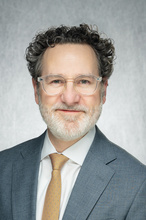
Acanthamoeba: a tiny, free-living amoeba, often found in water and soil, can invade the cornea and cause a stubborn infection that’s hard to treat and can lead to permanent vision loss. The Parasitic Ulcer Treatment Trial (PUTT) aims to determine whether adding topical corticosteroids to standard anti-amoebic therapy can help preserve vision in patients whose eyes remain inflamed after a month of conventional treatment. Participants are randomly assigned to receive either a steroid or a placebo, in addition to routine anti-amoebic medication, in a phase 3, double-blind study involving hundreds of patients worldwide.
This trial is notable not just for its size (it’s enrolling more than 200 participants) but for tackling a condition that currently lacks clear, evidence-based treatment guidelines. At the University of Iowa, ophthalmologists are among the lead sites contributing to data that may finally settle an open question about infectious eye disease care.
NAC-ATTACK: Targeting a Rare, Blinding Genetic Disease
Condition: Retinitis pigmentosa
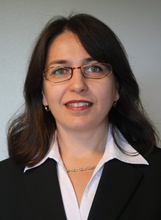
Iowa Faculty: Arlene Drack, MD; Alina Dumitrescu, MD; Ian Han, MD

|
|

|
In collaboration with the Wilmer Eye Institute at Johns Hopkins and other national centers, University of Iowa ophthalmologists are participating in the NAC-ATTACK clinical trial, a study exploring whether N-acetylcysteine (NAC) can slow retinitis pigmentosa, a rare eye disease that begins in childhood and leads severe vision impairment. The NAC-ATTACK study is investigating whether high-dose oral N-acetylcysteine, an antioxidant therapy, may help protect retinal cells from degeneration. Researchers hope that reducing oxidative stress in the retina could preserve vision for a longer period in affected patients.
For families facing a devastating diagnosis, this trial represents more than data collection. It is part of a broader effort to move rare retinal diseases from untreatable to manageable.
HYPERION Phase 3 Trial: Sepofarsen for LCA10
Condition: CEP290-associated Leber Congenital Amaurosis type 10 (LCA10)
Iowa Faculty: Stephen Russell, MD

The University of Iowa is also participating in the Phase 3 HYPERION clinical trial, evaluating sepofarsen, an investigational RNA-based therapy for patients with CEP290-associated Leber Congenital Amaurosis type 10 (LCA10)—one of the most severe inherited retinal disorders.
LCA10 is caused by mutations in the CEP290 gene and leads to profound vision loss beginning in infancy or early childhood. Many children with LCA10 have only light perception or severely limited visual function.
Sepofarsen is designed to address the underlying genetic mutation by targeting RNA splicing errors caused by specific CEP290 variants. Unlike traditional treatments that manage symptoms, this therapy aims to intervene at the molecular level.
Dr. Stephen Russell, a pioneer in gene therapy and a key figure in the development of the first FDA-approved gene therapy for an inherited retinal disease, is leading Iowa’s involvement in this international Phase 3 study. If successful, the trial could lead to another landmark therapy in genetic ophthalmology and further cement Iowa’s leadership in inherited retinal disease research.
EndoArt: A Synthetic Alternative to Corneal Transplant
Condition: Chronic corneal edema
Iowa Faculty: Mark Greiner, MD
For patients with chronic corneal swelling due to endothelial failure, corneal transplantation has long been the standard of care. But donor tissue shortages, surgical complexity, and rejection risks remain significant challenges.
The University of Iowa is now participating in a U.S. clinical study of EndoArt, an investigational synthetic corneal implant developed by EyeYon Medical. The device is designed to function as an artificial endothelial layer, reducing corneal edema without the need for traditional donor transplant tissue.
The FDA recently granted Investigational Device Exemption (IDE) approval for the U.S. trial, allowing researchers to evaluate the safety and effectiveness of EndoArt in patients with chronic corneal edema.
Dr. Mark Greiner, a cornea specialist at Iowa, is involved in bringing this innovative technology to patients. If successful, EndoArt could represent a paradigm shift, which offers a bioengineered alternative in situations where donor tissue is limited or transplant outcomes are uncertain.
Why These Trials Matter
Taken together, these studies reflect an extraordinary moment in the treatment of rare and common eye disease, with promising new directions for treating ocular infections, inherited retinal degeneration, and synthetic implants that can reduce reliance on donor tissue.
More than a collection of clinical trials, this work represents Iowa’s enduring commitment to translating discovery into care. Faculty are not only participating in national and international studies; they are helping lead efforts that bring cutting-edge therapies to patients close to home.
For families facing vision-threatening disease, clinical trials offer hope and access to emerging treatments. For the field of ophthalmology, they mark slow and steady progress toward a future where blindness is not simply managed, but prevented. Stay tuned for exciting upcoming work in reversing the effects of glaucoma and reducing night blindness.