The Ophthalmic Pathology fellowship at the University of Iowa is a one-year pre- or post-residency fellowship emphasizing both clinical and research training and is based in the Department of Ophthalmology and Visual Sciences. It is not a post-doctoral research fellowship.
Program Objectives
- Interpret a wide range of ocular specimens through hands-on lab experience
- Participate in daily case sign-outs and frozen section evaluations.
- Complete and present a research project at the annual Residents’ and Fellows’ Research Day
- Assist in teaching first-year ophthalmology residents and contribute to educational sessions and lectures.
- Attend regular morning rounds and conferences to enhance clinical knowledge.
Clinical Expertise
The clinical component provides a broad experience in the field of ophthalmic pathology. The F.C. Blodi Eye Pathology Laboratory has a long tradition at the University of Iowa. We are the only ophthalmic pathology laboratory in Iowa and are a referral center for surrounding areas. The laboratory volume is about 900 clinical specimens per year.
Clinical responsibilities in the Eye Pathology Laboratory are geared toward the fellow. The clinical component provides a broad experience in the field of ophthalmic pathology. There is always a first year ophthalmology resident rotating through the laboratory, however, their primary role is one devoted to learning. The fellow would be expected to participate in gross and microscopic examination of all types of specimens received in the lab and in daily sign out of the cases. The fellow will also assist with resident teaching and lectures. There is no formal call duty for nights and weekends for the fellow. The fellow may be responsible for frozen section call as needed.
Engage in Research
Each ophthalmology fellow is expected to complete a research project based on their experience in Ophthalmic Pathology. Presentations of research are made annually during the Resident/Fellow Research Conference at the end of the academic year. The P.J. Leinfelder Award is given annually by a faculty committee to the fellow who has made the most significant contributions in preparing and delivering their research.
- Visit our most recent Resident & Fellow Research Day program for examples of typical areas of research interest.
- About the F.C. Blodi Eye Pathology Laboratory
- About the University of Iowa Institute for Vision Research
Historically, research training in eye pathology has been mostly of a clinical nature. The fellow is expected to undertake and complete a research project during the year to be presented at the annual Residents' and Fellows' Day in the spring. Additionally, there is the opportunity to assist with ongoing research projects.
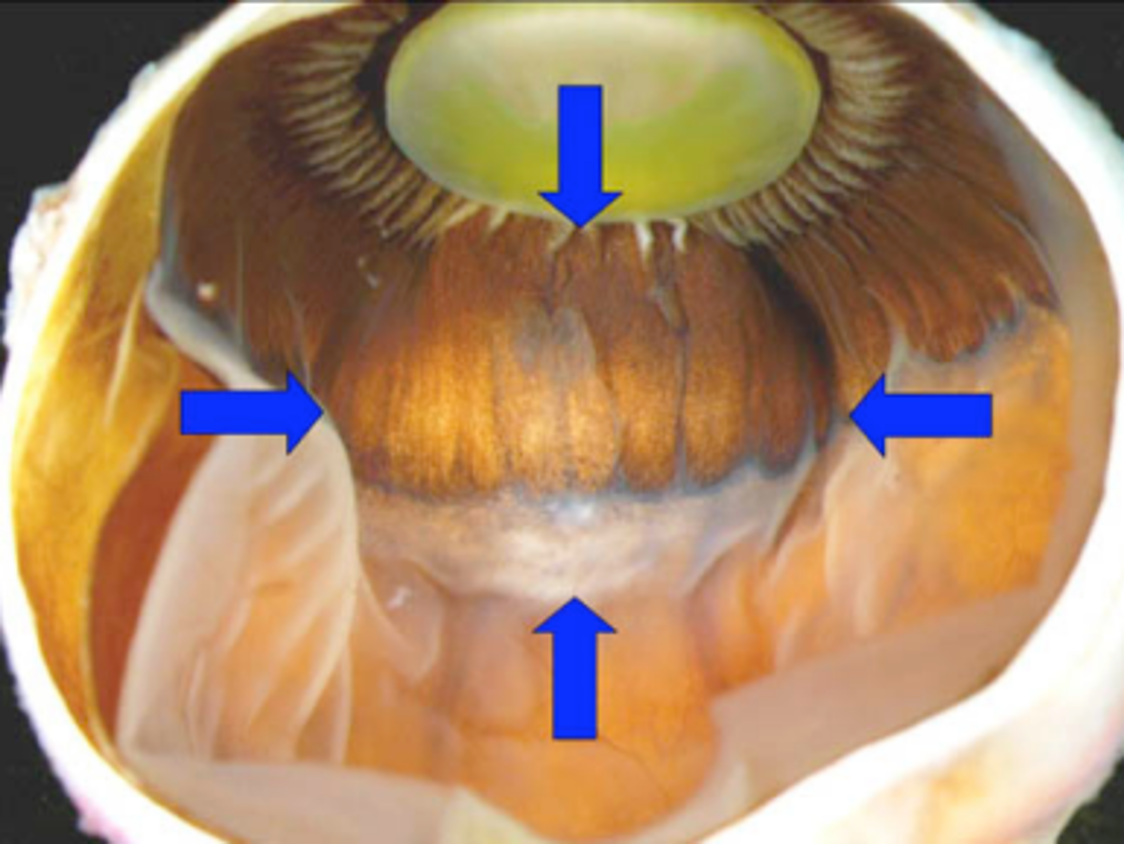
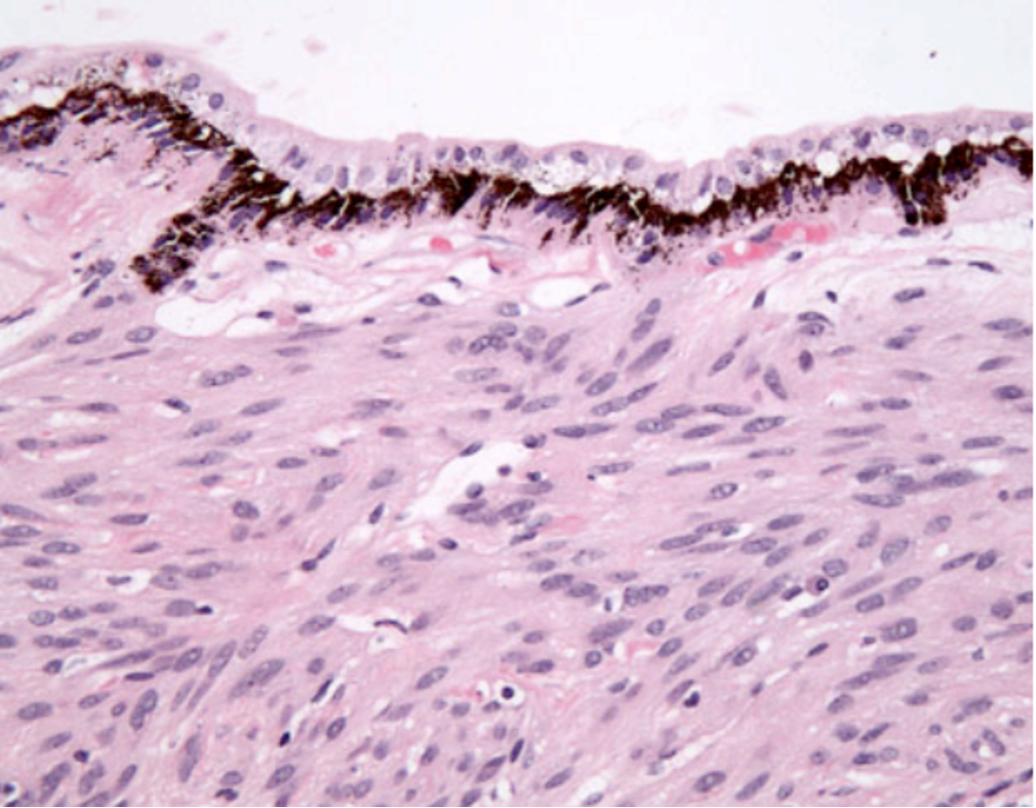
Read about the case from which these images are derived at Fernandez de Castro JP, Syed, NA. Clinicopathologic Correlation: Ciliary Body Leiomyoma. EyeRounds.org. Sept. 9, 2009; Available from: 64-Leioma-Clinicopathologic.pdf
Training and Education
The Department of Ophthalmology at the University of Iowa has a unique, superlative teaching program. Morning rounds are held four days a week from 8:00 to 8:45 a.m. These are attended by all faculty, fellows, and residents and consist of patient presentations, seminars, and interesting discussions.
The cases and discussions presented by residents and fellows at Grand Rounds are often further developed and published in major journals or as case reports or tutorials on EyeRounds.org.
Once a week, didactic lectures on ophthalmology are presented for residents and fellows. These two-hour lectures are organized to coincide with the American Academy of Ophthalmology’s Basic and Clinical Sciences Course. Lectures cover most aspects of basic and clinical ophthalmology. Once every 10-weeks these sessions include a journal club covering recent journal articles in that subject area to help develop skills in practice based learning.
Multiple half-day clinical conferences are held during the academic year. These meetings feature a visiting professor who presents a lecture based on their research interests. The day is balanced by the presentation of a more clinically-oriented topic. This conference has contributed to the excellent rapport between practicing ophthalmologists and the ophthalmology staff at the university.
Each year in June, alumni and other members attend the Iowa Eye Annual Meeting and Alumni Reunion with invited speakers and a focus on a specific subspecialty topic.
Presentations of research are made annually during the Resident/Fellow Research Conference at the end of the academic year.
Board Certification Requirements
While Ophthalmology, as a specialty, is board certified, Ophthalmology subspecialty fellowships are not board certified. Visit the American Board of Ophthalmology for specifics on board certification requirements.
Salary and Benefits Summary
- Competitive Stipends
- Comprehensive medical, dental, hospitalization and pharmacy benefits for residents/fellows and their dependents
- Vacation each year: 3 weeks, for specific information Paid Time Off and Leave Information